Yellow is the colour of the sun that strokes the
picturesque Mediterranean towns on the Adriatic coast. Its rays are infatuated with the beauty of the Karst region planted with olive groves and vineyards, with peach orchards and cherry trees. Some of the most beautiful underground worlds of our planet lie below their roots. There are more than eight thousand
karst caves and sinkholes in Slovenia, and twenty of these treasuries of limestone masterpieces created by disappearing karst rivers have been adapted and opened for tourists.
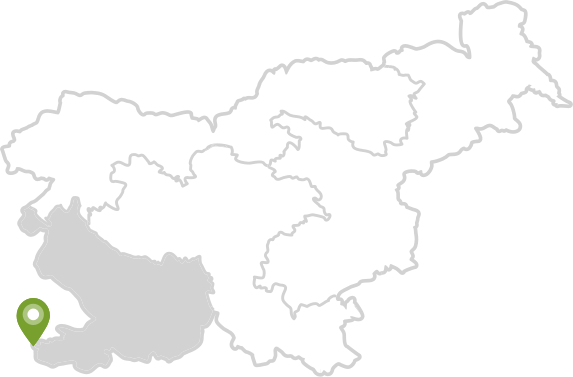
Every kilometer of the Slovene coast is a new surprise. Here is a natural reserve with a rich fund of marl and sandstone and the unique, eighty-meter
Strunjan cliff, the highest flysch wall on the Adriatic coast. Here are the
Sečovlje saltworks, first mentioned in the 13th century, and the nearby is a sanctuary for more than 150 bird species. Here the towns of
Piran,
Izola, and
Koper draw visitors with their medieval cores, while
Portorož, though mentioned as early as 1251, offers numerous modern hotels with congress halls, a fully equipped marina, a sport airport, thermal baths, a casino, and a varied offer of summer cultural, entertainment, and sport events. Not far from the coast, the beauties of Slovene Istria with its picturesque villages await for you. Among them, for example, is
Hrastovlje with its Holy Trinity church decorated with narrative late Gothic frescoes including a marvelously preserved Danse Macabre.
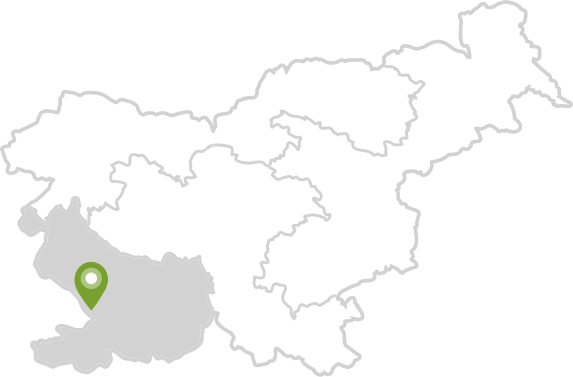
Behind the Slovene coast is the
Karst region. In the cellars of the stone houses excellent wines are poured and sold, and in the attics excellent pršut is cured in the bora wind. This gourmets’ paradise is also a heaven for lovers of the beauties of the karst underworld.
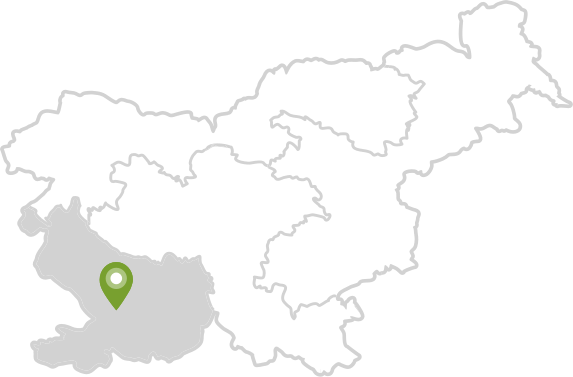
Postojna Cave, first mentioned in 1231, is the most popular cave in Europe with more than 31 million visitors so far. The
Škocjan Caves, which are on UNESCO’s list of natural and cultural world heritage sites, boast the 1400-meter long and 150-meter deep underground canyon of the Reka River. The beauties of the
Križna jama Cave lakes can be seen from boats in the glow of carbide lamps.
In Slovenia, whose language contributed numerous terms to world karst studies, we also find the oldest tourist cave in Europe:
Vilenica near Divača which offered guided tours in the first half of the 17th century.
The only cave vertebrate in Europe, the
Proteus anguinus or “human fish” which is also the largest known cave animal in the world, lives in Slovene caves. And this is far from being the last of the attractions of Slovenia’s karst region. Perhaps you didn’t know that the noble Lipizzaner horse originated in Slovenia.
Lipica, where the stud farm was established in 1580, is today a popular tourist center with a riding school, hotels, a swimming pool, a golf course, and a casino.
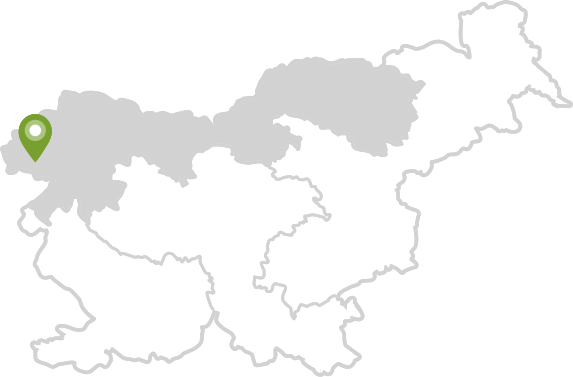
Nova Gorica is surrounded by beautiful
countryside and numerous sights of interest (
Kostanjevica Monastery,
Sveta Gora,
Kromberk Castle,
the Solkan Bridge,
Europe Square).
Not far from the city is the
Trnovo and Banjšice Plateau, a wonderful area with its own microclimate, full of folk traditions and interesting natural sights.
Towards the east is the green Vipava Valley, a well-known wine district and a popular destination for paragliders and skydivers from all over the world.
This pleasant region is home to excellent wine – autochthonous varieties that form an excellent accompaniment to the tasty local cuisine. You can try them in hospitable
wine cellars, at
osmice (temporary wine shops), on
farms and at characteristic local cultural
events.