Please, evaluate the offer:

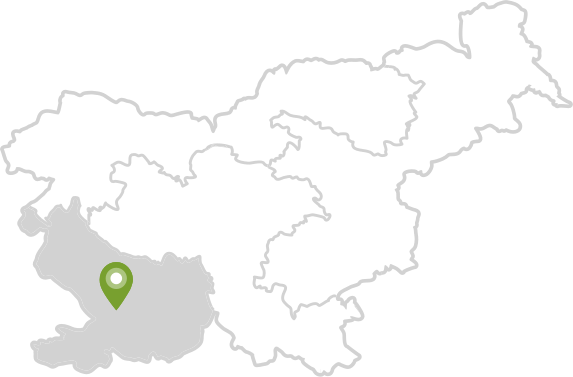
Dolenjska, Bela krajina and Posavje

Print Recommend to a friend Add to travel planner
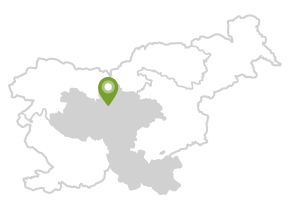
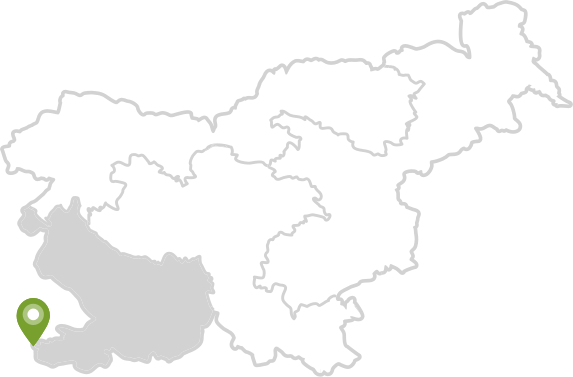
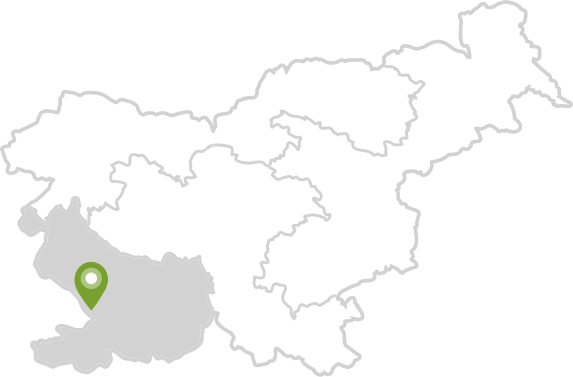
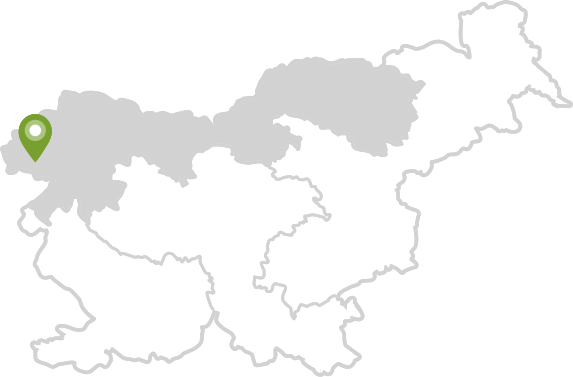
Hill vineyards and little hilltop churches, castles and monasteries, broad forests and groves of birch trees give the extensive region of south-east Slovenia a particular charm. Dolenjska, which joins hands with Bela Krajina across the beautiful Gorjanci Hills and, further up, with the Posavje region, is an area that offers countless opportunities to relax, explore and enjoy, to visit natural sights of interest and make interesting stops along heritage trails and wine routes.

Tourists setting off towards the south from the centre of Slovenia can begin their journey at the Renaissance Turjak Castle or in nearby Rašica, where they can visit Trubar's birthplace. The two sights are linked by a forest trail, one of many footpaths in the Velike Lašče area, which boasts rich cultural traditions. Not far away is Dobrepolje – a large karst polje with Podpeč Cave and the largest linden grove in Slovenia. One of the sights of Ribnica, the cradle of Dolenjska woodenware, is Ribnica Castle, which today houses a small museum of local culture and traditions. You can see traditional craftsmen at work in the town's workshops and at numerous events. In Kočevje, the centre of one of the most forested parts of Europe, you can see the virgin forest reserve in Kočevski Rog, visit the Ice Cave or the Željne Caves, and relax by the lake or on the river Rinži. The area has numerous footpaths, nature trails, cycling trails and horseriding trails. Anyone seeking something a little bit more out of the way should visit the area around Kostel. One of the sights of this mysterious region above the gorge of the river Kolpa is Kostel Castle 
and, nearby, the legendary Nežica waterfall. The Land of Peter Klepec (after the legendary hero) has its centre in Osilnica, a valley with seven churches and various opportunities for recreation: from water sports on the Kolpa to hiking trails and cycling routes.

Those wishing to follow the waters towards the south can set off from the centre of Slovenia along the river Krka. From its source in Krka Cave to Žužemberk, the location of one of the most picturesque castles in Slovenia, the river, which once drove the wheels of watermills, makes its way over a series of weirs that today attract canoeists and anglers. A different kind of experience is offered by the Temenica, a tributary of the Krka, which draws visitors through a picturesque valley of dry riverbeds, swallowholes and potholes to Trebnje  and Mirna Peč. The Krka also gives Novo mesto, the capital of Dolenjska, a town built on seven hills, its characteristic appearance. Not far from the town, with its many historical and religious monuments, are the spas of Dolenjske Toplice and Šmarješke Toplice and Slovenia's only island castle Otočec castle, which stands on an island in the middle of the Krka. The nearby Gorjanci Hills promise adventure to hikers, cyclists and hunters. Trška Gora, a hill above the town, shows us that we are in wine country, the home of Cviček, a famous local speciality.

Other traditional centres of winemaking linked by wine routes can be found in Bela Krajina, for example Semič, Metlika and Črnomelj . Not far from Metlika is Rosalnice with its famous “Tri fare” – three Gothic pilgrimage churches from the 14th or 15th century, huddled together inside a common surrounding wall. In the village of Rožanec a temple to the sun god Mithra has survived from Roman times. Not far from Črnomelj is the Lahinja Nature Park

On the other side of the Gorjanci Hills, which mark the border with Bela Krajina, Dolenjska continues along the Krka all the way to the point where it joins the Sava: from Šentjernej with its equestrian tradition, it leads to Pleterje with its famous Carthusian monastery and to Kostanjevica na Krki with Kostanjevica Castle, the Forma Viva sculpture park, Kostanjevica Cave and Krakovski Gozd, one of the few surviving remnants of virgin forest in Slovenia, where Dolenjska meets the Posavje region. At the confluence of the Krka and the Sava stands Brežice with its castle, famous for its extraordinary Knights' Hall, today part of the Posavje Museum. In the vicinity of the town, which boasts a Festival of Early Music, are the Terme Čatež Spa, Mokrice Castle 
with its golf course, Jovsi, a wetland area rich in fauna, particularly birds, Dobrava, an oak forest, and the oak tree with the thickest trunk in Slovenia (in Cundrovec). Popular excursion destinations include Lisca above Sevnica, Bohor with its waterfalls and a rare plant species, winter aconite (Eranthis hyemalis), Magolnik, Svibno and natural sights such as the cave of Ajdovska Jama or the largest chestnut tree in Slovenia (in Močilno near Radeče).

Historic town centres, museums and galleries invite visitors to discover the area's rich history. Lovers of culture can visit many castles. In Sevnica, as well as Sevnica Castle, with its permanent museum collections and temporary exhibitions and the famous Lutheran Cellar, you can admire the archaeological site of Ajdovski Gradec. In the area around Krško you can visit Neviodunum and Libno or religious monuments such as Svete Gore near Bistrica ob Sotli or the Basilica of our Lady of Lourdes in Brestanica and the numerous churches that adorn the landscape. You can even get married: in a castle, on a timber raft on the river Sava, or in Celtic style under a tree or by the Sušjek waterfall.

You will certainly never go hungry or thirsty in Posavje if you follow the suggestions of wine connoisseurs and restaurateurs and sample the region's wines and local culinary specialities on one of the three wine tourism routes – Bizeljsko-Sremiška, Podgorjanska and Gornje-Dolenjska – or visit the Wine Gallery of the Posavje Wine Region at Rajhenburg Castle in Brestanica, which is also the home of the Brestanica branch of the National Museum of Contemporary History.

For those who enjoy spending their leisure time actively, the Posavje region offers 53 cycling routes, 89 hiking trails, a karting centre and safe driving school, water sports such as boating, kayaking and canoeing, and fishing. You can also get to know Posavje on horseback or from the air – with a paraglider or balloon flight. 
 
Photos
Administrator : Slovenska turistična organizacija* | | last modified: 31/03/2010

Book & Buy

Reservations E-shop Packages
Search in:

Arrival:
Day
Month
Year

Nights
Rooms
Adult(s)/room
Show on Google Maps
Advanced search
GO!