Tourist Information Center:TIC Radovljica
Linhartov trg 9
++386 4 531 51 12
531 m
Height above sea level
in the countryside
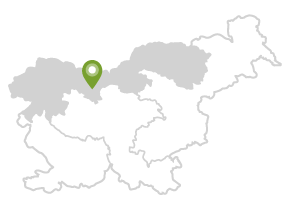
On the banks of the rushing Kroparica Stream, in the shade of the forested Jelovica Plateau, one of the major iron-forging centres from our past lies hidden away. Here, reminders of the erstwhile iron-forging trade will accompany you at every step: technical monuments, examples of cultural heritage, wrought ironworks, the preserved iron forgers' customs, cuisine, and excellent singing.
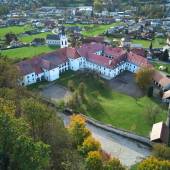
The village of Kropa, the cradle of Slovene iron-forging, lies hugged in a narrow valley beneath the Jelovica Plateau. With its authentic and unique iron mill owners’ architecture, roaring waters, preserved technical heritage, and stories of the hard-off life of iron forgers, it is certainly well worth a visit.
Kropa's heritage has been uniquely preserved. The present-day appearance of the protected market town's centre has been characterised by its iron-forging tradition. Kropa is home to two churches — the
Church of St Leonard and the
Church of the Mother of God —, the
Iron Forging Museum, and, a little further up, the
Vice Spike Forge.
Read more
The architecture here speaks for itself: large houses with numerous small windows, portals made from green tuff, wrought decorative window bars, chandeliers and signboards. During the summer season, the windows are further adorned by flowering red carnations.
The centuries-old iron-forging tradition has been preserved in the UKO Kropa wrought-iron workshop and by several individuals in the village who continue to produce wrought ironworks to this day.
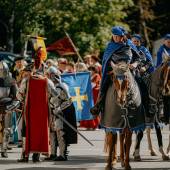
The local Iron Forging Festival is held every year during the first weekend of July. Another special event takes place on the eve of St Gregory's Day, when children from Kropa float little boats in the pool of the former lower foundry.
The villagers of Kropa possess extraordinary musical talent. Not only have they always taken pleasure in singing Christmas carols at New Year's, but some renowned names from the world of music also hail from Kropa. The opera singers, Anton Dermota and Zlata Ognjanovič (née Gašperšič), as well as composer Egi Gašperšič were born there.
Hiking trails starting in Kropa lead to the mountain pasture of Vodiška planina or to the Church of St Primus and Felician, which is located in a panoramic location in the village of Jamnik. On the fringes of Kropa, there is an outdoor swimming pool with beach volleyball courts.
Automobiles :
Bled: 15 km
Radovljica: 10 km
Kranjska Gora: 45 km
Ljubljana: 50 km
Škofja Loka (via Železniki and Jamnik): 30 km
Railway : Train station: Podnart (7 km), Radovljica (10 km)