285 m
Height above sea level
in the countryside
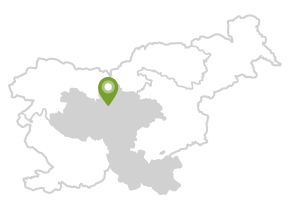
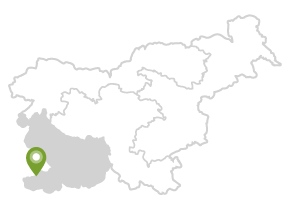
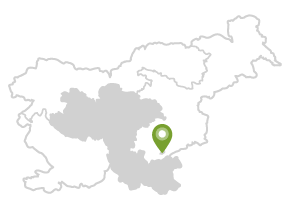
Komen was first mentioned in 1247. With its hamlet Jablanec, it is situated in the middle of the Komen Karst
and constitutes its administrative and economic centre.
The heart of the village is its central square with the cultural hall and a monument in memory of those who
perished during the fights for the national liberation and in exile (15th February, 1944 the village was burnt
to the ground and most of the villagers were deported to Bavaria). Once there was a small gothic parish
church standing on the spot, where today the parish church of St. George can be found. Since the original
one was too small, it was demolished and a new baroque church was built in 1768. Near the church stands a single belfry built according to the Oglej type. Beside it is an old school, housing the cultural and artistic
association. The Storici mansion, which today serves as the local clinic was designed by Max Fabiani in 1934. Nearby, the Cirje forest park begins with an arranged forest and walking learning trail, which, apart from passing by
several species of trees, takes the visitor to a monument dedicated to the last forester of the Komen area
Avgust Kafol, wells, a pil and the rests of a burial place from the First World War. In the lower part of the village there is the Luže well, which makes an ideal spot to take a break and enjoy in the breathtaking view of Komen and its surroundings. Viktor Kos was the dean of Komen from 1932 to 1971. When Komen was burnt to the ground he and vicar Mirko Rener deliberately joined the locals in their exile to Germany, where he stood by their side during
their most difficult times. Both priests touched the hearts of locals as they did not abandon them even in the
most tragic moments of wartime. Komen also treasures the church of the Virgin Mary from Obršljan, which can be reached following the
left branch a good kilometre before the village. Once there was also a renowned God’s path, which was adorned with frescoes made by Giulio Quaglio in 1728. Today there is the eminent baroque church of St. George.